


How Long Does Interior Paint Take to Dry?
You finish painting a bedroom, step back, and it looks great. Then the real question hits - how long does interior paint take to dry before you can close the door, move furniture back, or put the room back to normal? The short answer is that most interior paint feels dry to the touch in 1 to 2 hours, but that does not mean it is ready for a second coat or everyday use.
That difference matters more than most people think. Paint can look dry on the surface while still staying soft underneath. If you rush it, you can end up with smudges, roller marks, peeling tape lines, or furniture sticking to the finish. A clean, professional result comes down to more than good color choice. Timing matters too.
How long does interior paint take to dry in most homes?
For standard water-based interior latex paint, dry-to-touch time is usually about 1 hour. In normal indoor conditions, many paints are ready for a second coat in 2 to 4 hours. Full cure, which is when the paint reaches its hardest and most durable state, can take anywhere from a few days to about 30 days depending on the product and the room conditions.
Oil-based paint takes longer. It may take 6 to 8 hours to feel dry and often needs 24 hours before recoating. That is one reason many homeowners and commercial property managers prefer modern latex products for interior work. They dry faster, smell less, and are easier to work around in occupied spaces.
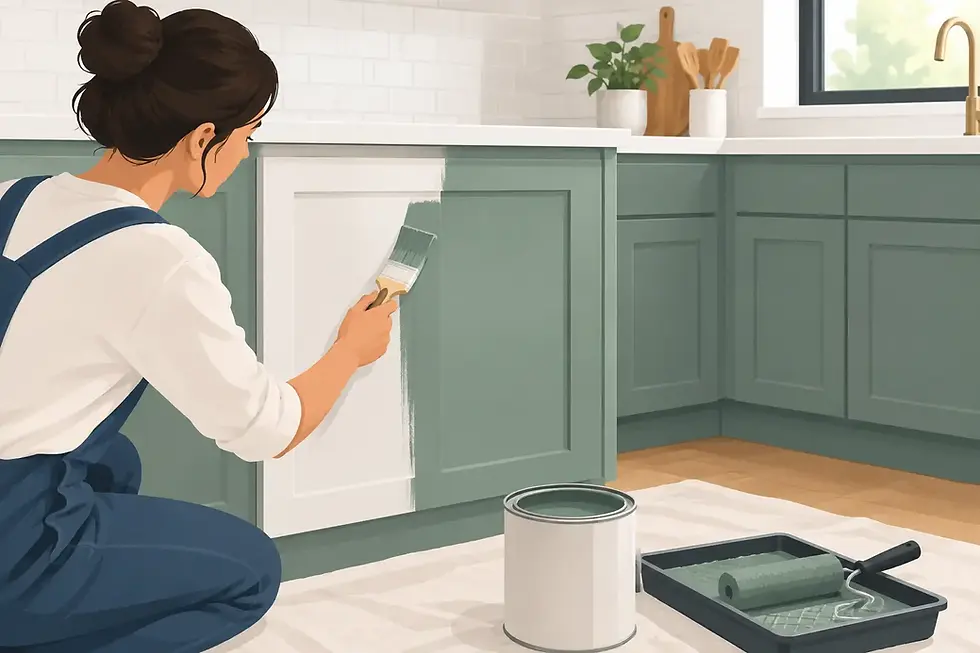
If you are painting walls, the basic timeline is usually manageable in a day. If you are painting trim, cabinets, doors, or other high-contact surfaces, patience becomes more important because those areas need extra hardness, not just surface dryness.
Dry time vs. recoat time vs. cure time
These three terms get lumped together, but they are not the same thing.
Dry time means the paint surface is no longer wet. You can usually touch it lightly without leaving a fingerprint. That does not mean it can handle pressure, tape, cleaning, or furniture against it.
Recoat time is when you can safely apply the next coat. This is the window painters watch closely. Applying the next coat too soon can trap moisture and create an uneven finish.
Cure time is the longest part of the process. This is when the paint fully hardens and bonds the way it is supposed to. During cure time, the finish is more vulnerable to scuffs, blocking, and damage. Blocking is when painted surfaces stick together, like a freshly painted door rubbing against the frame.
This is where a lot of frustration comes from. A homeowner sees dry walls and assumes the job is done. In reality, the paint may still need careful treatment for days.
What changes interior paint dry time?
The label gives you a baseline, but real-life dry time depends on the room.
Humidity is one of the biggest factors. In South Carolina and Georgia, indoor moisture can slow drying more than people expect, especially during spring and summer. Paint dries by letting water or solvents evaporate. If the air is already heavy with moisture, that process slows down.
Temperature matters too. Most interior paints dry best between about 50 and 85 degrees, with many products performing best in the middle of that range. If the room is too cool, the paint can stay tacky longer. If it is too hot, the surface may dry too fast while the layer underneath lags behind.
Airflow helps. A room with ceiling fans, open pathways for air movement, or HVAC running properly will usually dry faster than a closed, stuffy room. Good airflow also helps paint dry more evenly.
Paint type and sheen also make a difference. Flat paint often dries faster than semi-gloss or gloss. Higher-sheen finishes can stay tacky longer, especially on trim and doors. Thicker products, including some premium paints and paints with primer built in, may also need more time between coats.
Application matters as well. Heavy coats take longer. So does going back over an area too many times with a roller or brush. Thin, even coats are more reliable than trying to cover everything in one pass.
Room-by-room expectations
A living room or bedroom with average ventilation usually behaves pretty well. If you are using latex wall paint, you may be able to recoat in a few hours and carefully use the room later that day.
Bathrooms, laundry rooms, and kitchens are different. These spaces often hold more humidity, and that can stretch your timeline. Even with exhaust fans, it is smart to give paint extra time before assuming it is ready.
Trim, baseboards, doors, and cabinets also take more care. They may feel dry fairly quickly, but because they get touched, bumped, and cleaned more often, they need longer before normal use. Painted doors are a common trouble spot. Close them too soon and the edge can stick. Lean something against fresh trim and it may leave marks.
If you are dealing with a commercial interior, a school room, a church hallway, or a retail space, dry time becomes part of scheduling. It is not just about paint chemistry. It is about how fast people need to get back into the space without damaging the finish.
When can you move furniture back?
This depends on how close the furniture will sit to the wall and how heavy it is. In many cases, it is best to wait at least 24 hours before moving furniture back into place. Even then, keep a little breathing room between the wall and large items if possible.
If you push a couch, dresser, or bed frame directly against paint that is dry to the touch but not cured, you can leave pressure marks or cause sticking. The same goes for hanging artwork. It is usually wise to wait a few days before putting nails, hooks, or frames on a freshly painted wall.
For rugs and normal foot traffic, most painted rooms are usable pretty quickly. For anything that presses, rubs, or traps air against the surface, a little patience pays off.
Can you speed up interior paint drying?
Yes, but only to a point. The goal is to help the room conditions, not force the paint.
Running the HVAC system, using fans to keep air moving, and lowering indoor humidity with air conditioning or a dehumidifier can help a lot. Keeping coats even and not overloading the roller or brush also makes a difference.
What does not help is blasting heat directly at the wall or trying shortcuts that make the paint skin over too fast. When the top layer dries much faster than the paint below it, the finish can suffer. A steady, controlled environment works better than extremes.
Signs the paint is not ready yet
If the paint still feels cool or slightly tacky, give it more time. If tape pulls at the finish, it was too soon. If a door or window feels sticky when opened and closed, curing is still happening. If you notice a smell hanging around longer than expected, that can also be a clue that drying is still underway, especially in rooms with limited airflow.
Experienced painters watch more than the clock. They look at the room conditions, the product used, and the surface being painted. That is one reason professional scheduling tends to go smoother than guesswork.
Why professional timing matters
A good paint job is not just about putting color on the wall. It is about surface prep, proper coat thickness, clean lines, and respecting dry times so the finish lasts. That matters in occupied homes, rentals, offices, restaurants, churches, and anywhere people need the space back without the headaches that come from a rushed job.
At A Couple Of Painters, LLC, clean work and respectful service go hand in hand with solid workmanship. That includes knowing when a room is ready for the next step and when it needs a little more time. It is one of those details that separates a quick paint job from a professional one.
If you are planning interior painting, the smartest approach is simple. Expect most latex paint to dry to the touch in 1 to 2 hours, plan for 2 to 4 hours between coats in normal conditions, and remember that full cure takes longer. Give the room the time it needs, and the finish will reward you for it.


Comments